Shinka
This treatment method stands out because it treats the body holistically, recognizing the connection between pain and underlying imbalances in different parts of the body. It is based on the principle that posture, habits, injuries, and musculoskeletal asymmetries affect overall function and well-being.

Shinka
Holistic body alignment for freedom of movement and vitality.
Holistic method: connects pain, imbalances.
It corrects hips, not leg length.
Body alignment, pain, vitality.
It focuses on habits and long-term health.
What is the Shinka method?
Shinka (心花) means “heart connection” in Japanese, which is the key to its meaning. This is a body correction method that originated from the original knowledge of the Isogai method, but is not limited to it. It has evolved through years of practice, personal experience, seminars with Izogai students, and observation of results on real bodies.
The main thing here is not just to “fix”, but to establish contact with the body, listen to it and learn to maintain balance yourself.
What makes this method unique?
The method recognizes the overall alignment of the body, so instead of focusing only on the point of pain, it looks for the cause in other areas of the body, such as the connection between the knee, shoulder and jaw.
It focuses on how small imbalances in the hip joints affect leg length, pelvic position, spine, and even eye or breathing function.
Non-surgical rehabilitation. The method's theory is that most leg length discrepancies or herniated discs do not require surgery, but can be treated with proper alignment and lifestyle changes.
It trains the patient. Treatment is accompanied by training.
How the method works
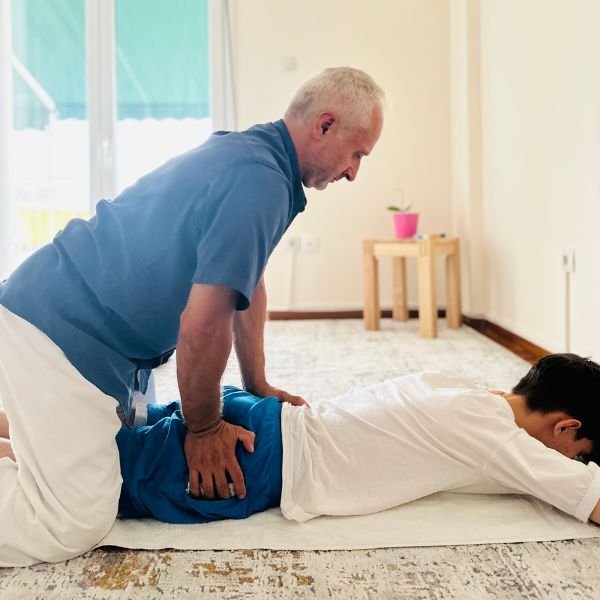
- Alignment correction: With gentle manipulation, it brings the hip joints to their natural position.
- Restoring balance: Eliminates imbalances that cause pain, improves posture and blood circulation.
- Improving vitality: Strengthens breathing, reduces muscle tension and encourages vitality.
- Self-management: Provides the patient with tools for long-term health maintenance through conscious habit change.
Why understanding the methodology matters
The body “records” daily habits, and small bad movements or postures accumulate, causing asymmetries. This treatment is not just a temporary solution but a holistic approach that aims to teach the patient to take care of their body in order to enjoy long-term wellness.